Undervalued Artists List (Moneyball for Concerts)
Every year, the Furman University concert committee had the same goal: book the best musical artist we could get within our budget. As chairperson, finding that artist was my job. These were university-sponsored events so there was no expectation that it should be profitable, but that didn't stop me from wanting to see how big we could make our show. If we make more money from booking a great artist, we can book even bigger names for future shows.
I had access to the prices artists charge for booking concerts (when you're not sharing revenues from ticket sales). If an artist's popularity is relatively constant, their price is as well.
When an artist gets popular quickly, they're not yet confident enough to charge what they're really worth. Their price takes a while to catch up to their popularity. If you can book someone going through this, you can get a big-name artist at bargain prices. So in 2013 I used Google Trends to manually go through a list of artists, looking for opportunities like this.
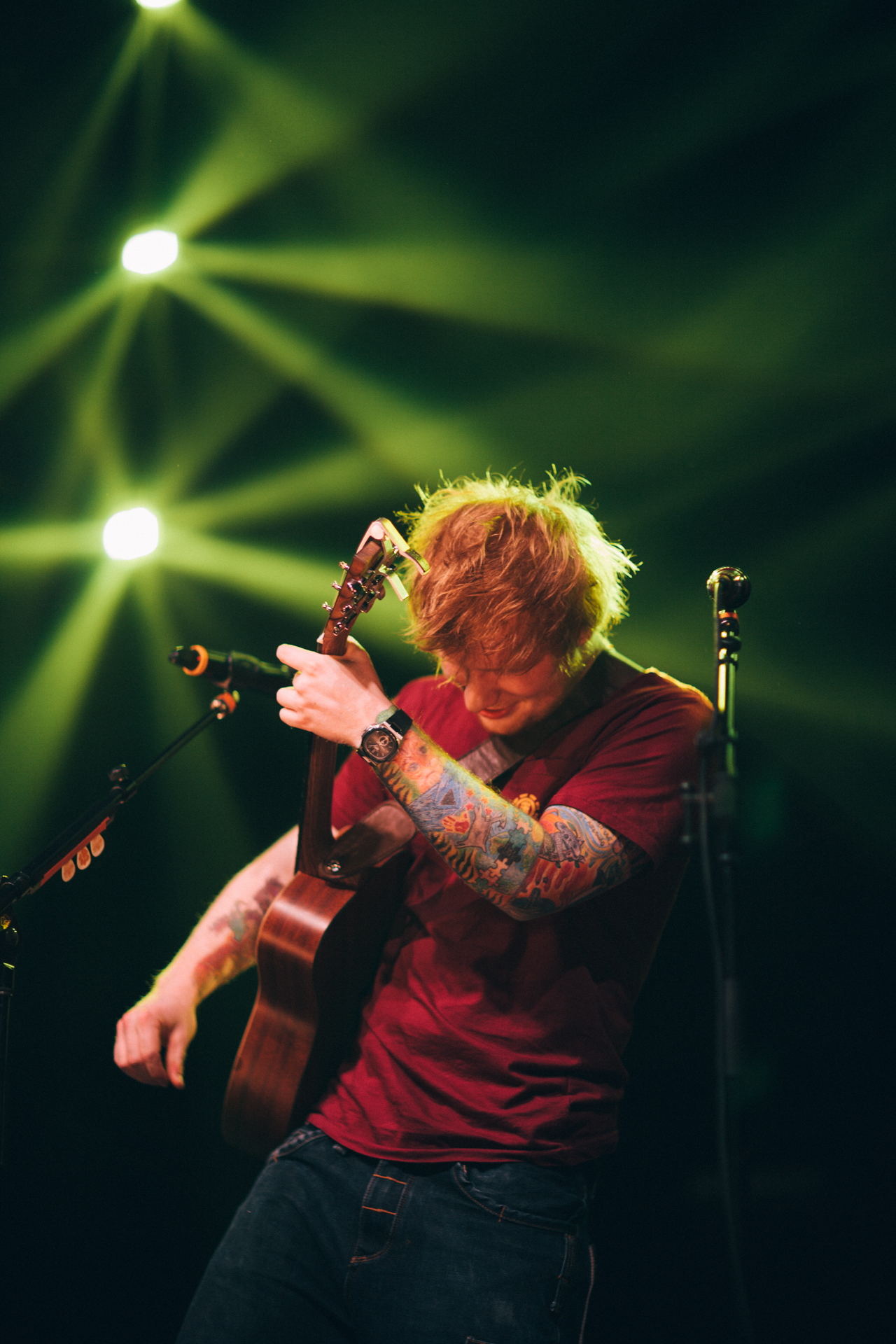
It worked. We booked Ed Sheeran right as he was getting extremely popular, with the show still a few months away. By the time he played, his popularity had skyrocketed: tickets sold out immediately, and we had to move the show to the university's arena. We booked a headliner for one third of what he should have been charging.
After learning to code, I automated the process with the Spotify API. My program compares an artist's popularity on Spotify with their price to generate a number; sorting by it highlights the most undervalued artists.
The music industry is fond of lawyers, not innovation. Despite showing how this can help artists charge what they're really worth, all attempts to build this for both booking agencies and artist management agencies was not well received. "This isn't how we do things" was the most common response. A decade later, the industry has caught up and uses this type of data regularly to price their shows more accurately.